
Restful Life Balance Restful Life Balance
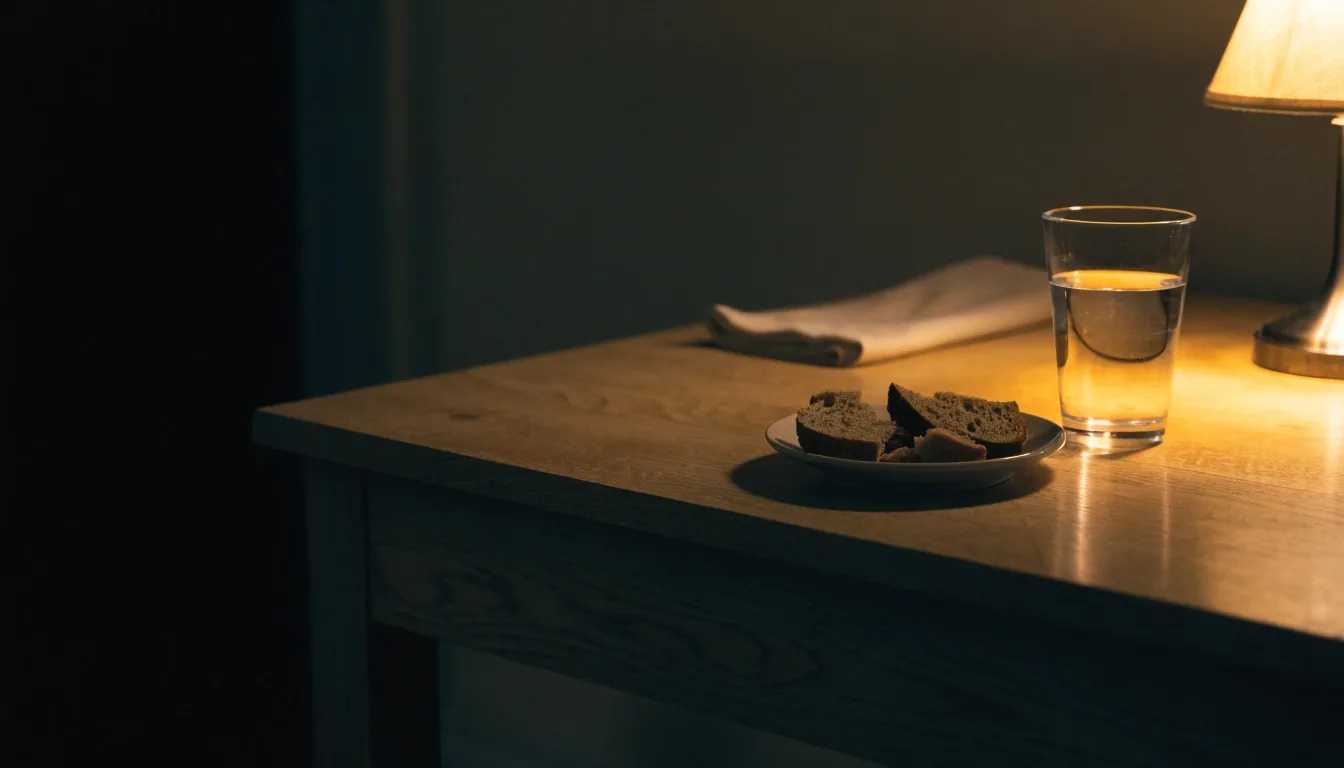
A quiet evening table with a glass of water and a single warm lamp lighting the left-side shadow

Fatigue prevention

Everyday habits that help prevent persistent fatigue

Feeling tired after a hard week is normal. Feeling tired for months is a pattern, and patterns have causes you can work with.

Normal tiredness versus a fatigue pattern

Ordinary tiredness arrives after effort and leaves after rest. A fatigue pattern does the opposite: rest does not fully restore you, and the tiredness is there in the morning.

The difference is duration and recovery, not intensity. If a weekend of good sleep fixes it, you were tired. If three weekends do not, you are dealing with something built from habits, and that is where this page applies.

The four habits that carry most of the weight

Estonia's official health information groups rest and sleep, exercise, a regular and varied diet, and supportive relationships as daily habits relevant to mental wellbeing. That list is a good fatigue checklist. Fix the weakest of the four first.

Movement as an energy tool, not a performance goal
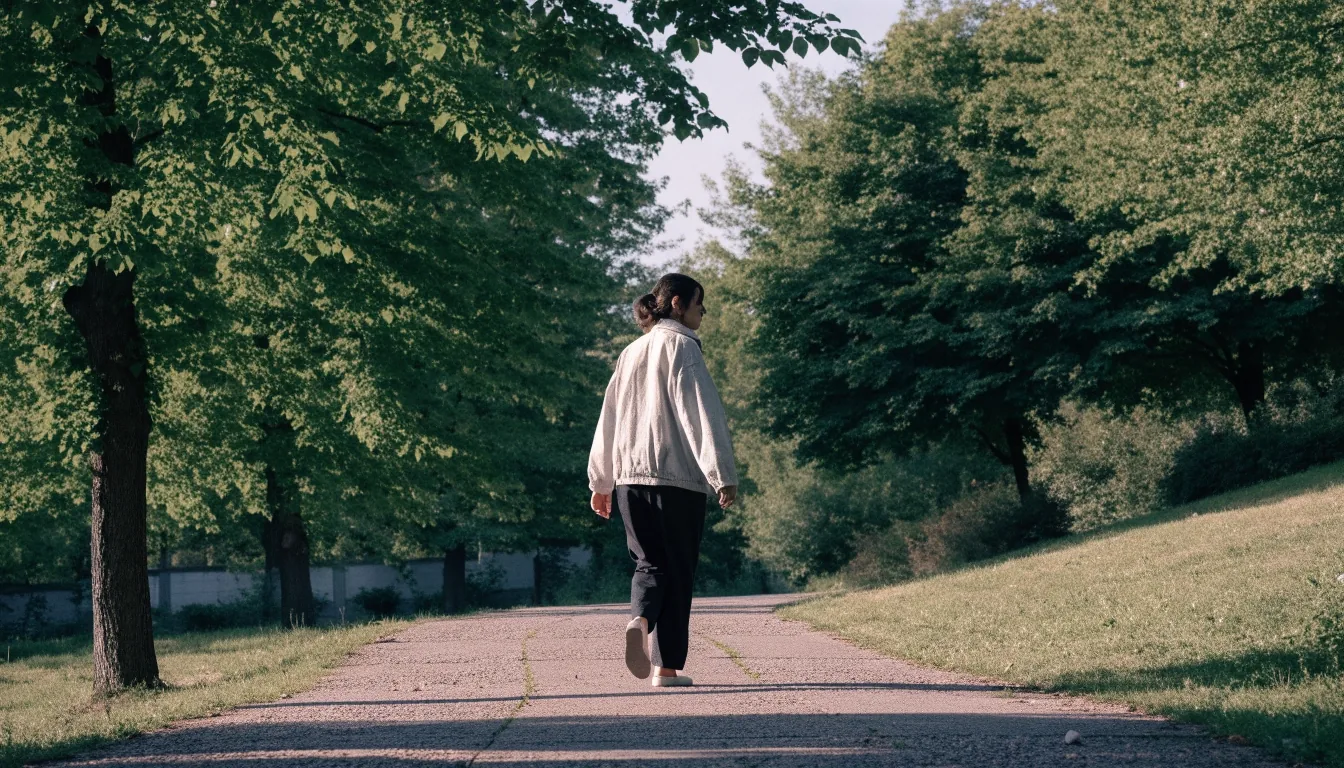
Walking shoes and a folded coat on a wooden floor lit by a warm lamp

The European Commission factsheet for Estonia states the recommended minimum for adults as 30 minutes of exercise twice a week. That is a floor, and it is achievable even in a busy month.

Walking counts. So does cycling to the shop, swimming, or gardening. The point is not fitness metrics but the effect movement has on sleep depth, mood, and appetite regulation. Two sessions a week is a reasonable place to start if you currently do none, and more is better only if you keep it up.
Two sessions count as a start

If your week currently holds no deliberate movement at all, two half-hour sessions are the honest entry point. Pick days you can actually repeat, not the ones that sound disciplined.

Keep it repeatable

A routine you keep for months does more for energy levels than an intense block you abandon in three weeks. Consistency, not intensity, is what reaches sleep depth.

Poor sleep is the most common fuel for persistent fatigue

And it is often self-inflicted in small ways: late scrolling, a heavy dinner, caffeine after lunch. None of those is dramatic on one evening. Across a month they add up.

A fixed wake time, a dimmer final hour, and a lighter evening meal are usually enough to shift things. If your sleep problem is more stubborn, the sleep and recovery guidance goes deeper.

Read sleep and recovery guidance

Diet quality and blood-sugar steadiness

Unbalanced nutrition is named in Estonia's national health planning as a preventable risk, and fatigue is one of the ways it shows up day to day. Long gaps between meals, sweet snacks as the main fuel, and skipped breakfast all produce energy swings.

Whole grains, regular protein, and vegetables at main meals keep the curve flatter. You are not looking for a perfect diet, just fewer sharp drops.

Long gaps between meals Sharp afternoon drop
Sweets as the main fuel Up fast, down faster
Whole grains, protein, vegetables Flatter curve through the day
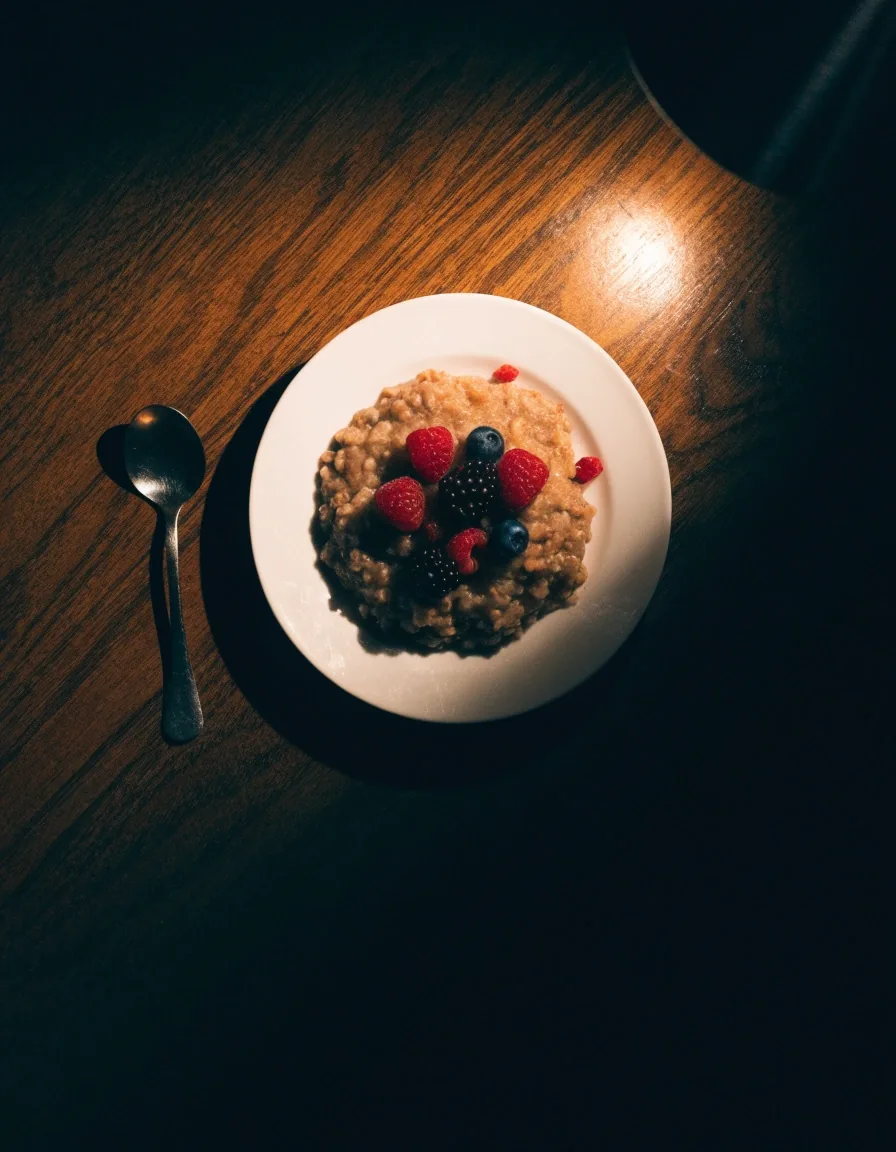
A plain plate of whole grain porridge and berries on a dark table under one warm lamp

Steadier energy, not a stricter diet

The aim is a flatter energy curve across a working day. Small fixes such as a real breakfast and protein at lunch do that work without turning food into a project.

See nutrition for daily energy

Relationships and the recovery they provide

Supportive relationships appear in Estonia's official healthy-habits list for a reason. Isolation raises stress hormones and worsens sleep, while regular contact with people you trust lowers the load.

This is not soft advice. A weekly walk with a friend, a shared meal, or a phone call does measurable work on how rested you feel. If your social contact has thinned out, rebuilding it is a legitimate fatigue intervention.

Risk factors worth naming

National strategies in Estonia also stress reducing risk behavior, and it belongs in an honest fatigue conversation. Regular heavy drinking fragments sleep and lowers morning energy. Smoking reduces oxygen delivery and cardiovascular capacity.

These are not moral points, just mechanics. Cutting back on either tends to improve energy before much else changes.

When tiredness needs a doctor

Some fatigue has medical causes: thyroid problems, anemia, sleep apnea, depression, and others. If tiredness came on suddenly, is severe, or comes with weight loss, breathlessness, or low mood that will not lift, see a doctor.

Lifestyle guidance helps with habit-driven fatigue. It is not a substitute for diagnosis, and nothing on this page is medical advice.

Common questions about persistent tiredness

How long does a fatigue pattern usually take to shift?

It depends on which habit you change and how consistently. Sleep regularity and meal rhythm tend to feel different within a few weeks; rebuilding movement and social contact usually takes longer because it needs repeating before it holds.

Which of the four habits should I change first?

Start with the weakest of the four, not the one you find most impressive. If your sleep is short and irregular, fixing meals first rarely helps much. If your week has no movement at all, two short sessions change more than another diet rule.

Do I need supplements to prevent fatigue?

Usually not before the basics are in place. Regular meals, adequate protein, and whole grains cover most everyday energy needs. If you suspect a deficiency, that is a conversation for your doctor rather than a shopping decision.

Can I work on this with Restful Life Balance?

Yes. We are a nutritionist practice in Tartu, and we work through daily habits around sleep, food, movement and recovery with adults who want steadier energy. Reach us at [email protected] or +372 734 8190, Monday to Friday, 9:00 AM – 6:00 PM.

Start with the habit that costs you the most sleep

Tell us how your week actually looks — when you eat, when you move, how you sleep — and we will look at which habit is holding your energy back. No pressure, no program to buy on the first call.

Describe your situation to us Longevity & Healthy Life Years

Restful Life Balance OÜ · Gildi tn 3, 51007 Tartu, Estonia · [email protected] · +372 734 8190 · Monday to Friday, 9:00 AM – 6:00 PM